Your home's electrical system powers nearly everything you use daily, from lighting and kitchen appliances to heating, cooling and entertainment systems. When something goes wrong, even a minor issue can disrupt your routine. Some common electrical problems are relatively simple to identify, while others may indicate a more serious safety concern that requires professional attention.
Understanding the warning signs of electrical trouble can help you protect your home, prevent costly damage and know when to call a professional electrician. At Livewire Electric, we provide residential electrical services to help homeowners maintain safe, reliable electrical systems.
In this guide, we'll explore the most common electrical problems homeowners experience, what causes them and when to seek professional electrical repairs.
What Are the Most Common Electrical Problems?
Electrical issues can develop for several reasons, including aging wiring, overloaded circuits, damaged components and increased electricity demands. Recognizing these problems early can help prevent more serious complications.
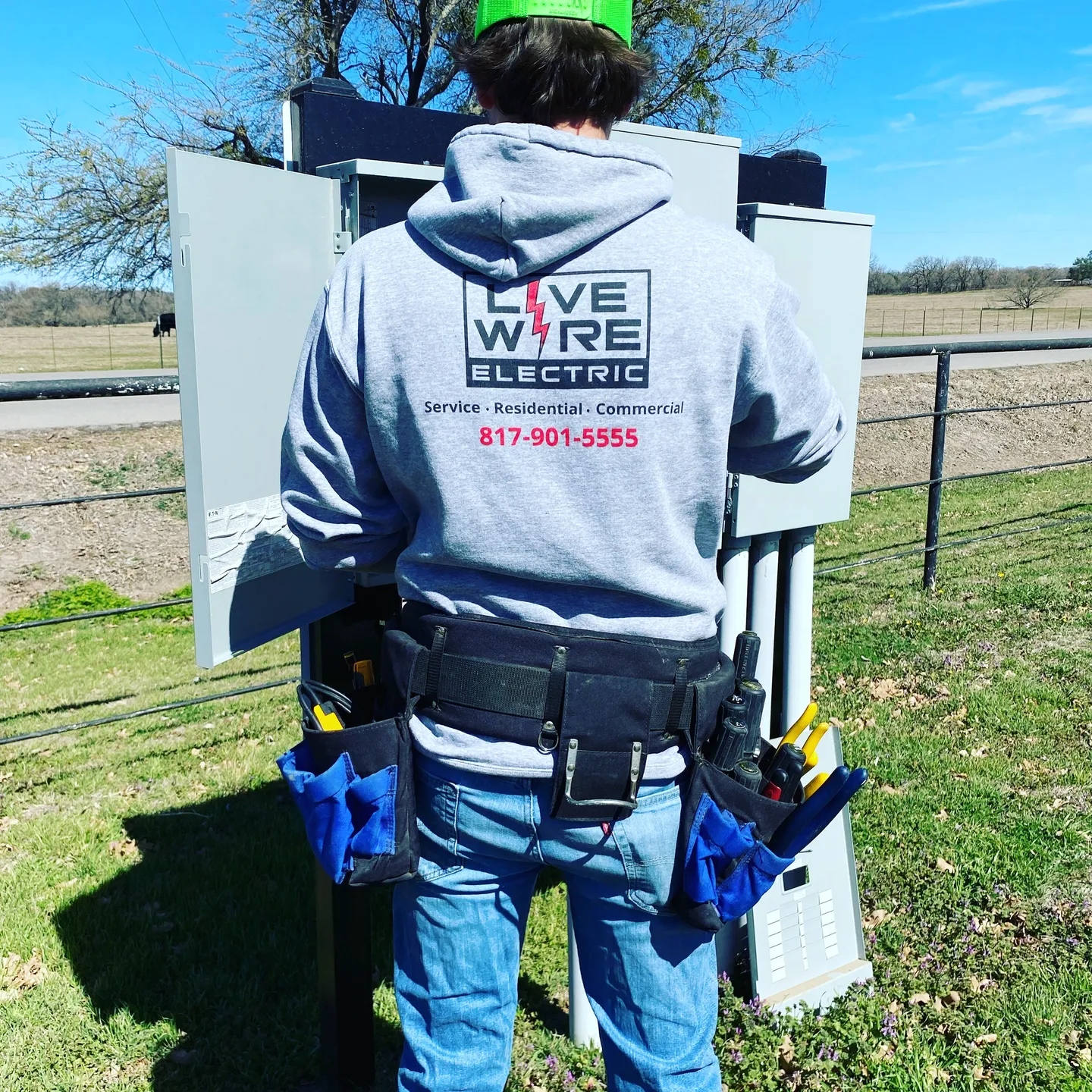
Here are some of the most common electrical problems homeowners should watch for.
1. Frequently Tripping Circuit Breakers
A circuit breaker is designed to interrupt electrical flow when a circuit becomes overloaded or experiences certain electrical faults. An occasional trip can happen when too many appliances run simultaneously. However, repeatedly tripping breakers may indicate a more serious issue.
Common causes include:
- Overloaded electrical circuits
- Faulty appliances
- Short circuits
- Damaged wiring
- Electrical panel problems
How to Address Tripping Breakers
If a breaker trips, unplugging unnecessary devices may resolve an overload. However, if the breaker continues to trip, avoid repeatedly resetting it or attempting to bypass it.
A licensed electrician can inspect the circuit, identify the cause and recommend the appropriate repair. Depending on the issue, you may need circuit modifications, wiring repairs or an electrical panel upgrade.
Livewire Electric can help homeowners troubleshoot recurring electrical problems and determine whether the system needs repairs or additional capacity.
2. Flickering or Dimming Lights
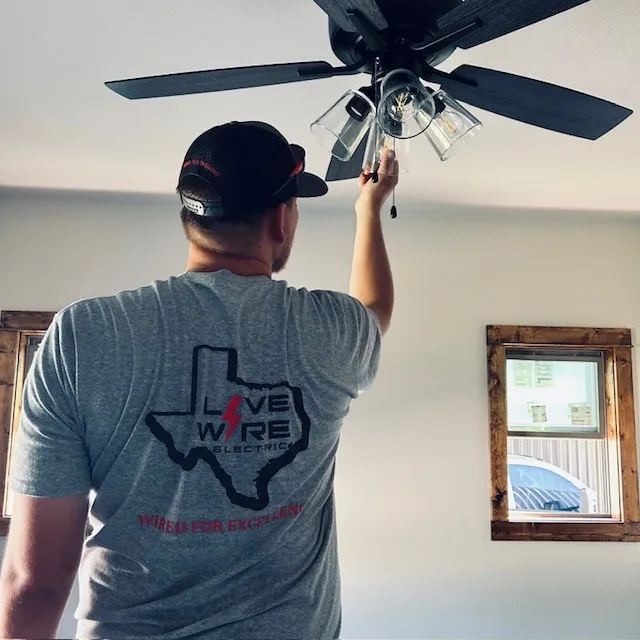
Flickering lights are also one of the most common electrical problems in residential properties. Sometimes, a loose light bulb is responsible. In other cases, flickering or dimming lights may indicate an electrical issue that requires professional attention.
Possible causes include:
- Loose light bulbs
- Faulty switches or fixtures
- Loose electrical connections
- Overloaded circuits
- Electrical service or panel problems
How to Fix Flickering Lights
If a bulb flickers, turn off the light and allow the bulb to cool before checking that it is properly seated. Replacing a defective bulb may resolve the problem.
However, if lights flicker when major appliances turn on, several lights dim simultaneously or the issue persists after replacing the bulb, contact an electrician. These symptoms may indicate an overloaded circuit or a more significant electrical problem.
Don't ignore recurring flickering lights, especially when accompanied by buzzing sounds, burning odors or unusual heat.
3. Dead Outlets and Nonworking Switches
A dead outlet or switch can be frustrating, particularly when you rely on it for essential appliances or equipment.
Common causes include:
- A tripped circuit breaker
- A tripped GFCI outlet
- Loose wiring
- A damaged outlet or switch
- A wiring or circuit failure
What Should You Do?
First, check whether the problem affects one outlet or multiple outlets in the same area. If appropriate, check your breaker panel for a tripped breaker. You can also check for a tripped GFCI outlet in a nearby kitchen, bathroom, garage or outdoor area.
Only reset a breaker or GFCI outlet if there are no signs of damage, moisture, burning or overheating.
If the outlet still doesn't work, avoid removing the cover or handling the wiring. A professional electrician can inspect the circuit and determine whether the outlet, switch or another component needs to be replaced.
4. Buzzing Sounds from Outlets, Switches or Electrical Panels
Electrical systems should generally operate quietly. If you hear buzzing, crackling or humming from an outlet, switch, breaker or electrical panel, take the sound seriously.
Potential causes include:
- Loose electrical connections
- Faulty switches
- Damaged breakers
- Electrical arcing
- Overloaded circuits
How to Handle Electrical Buzzing
Don't ignore unusual sounds or assume they are harmless. Stop using the affected outlet or switch, and arrange for a professional evaluation.
If buzzing is accompanied by smoke, sparks, a burning smell or excessive heat, move away from the affected area and seek immediate assistance. If a fire occurs, evacuate and call 911.
An electrician can determine whether the issue requires a component replacement, wiring repair or other electrical work.

5. Warm or Discolored Outlets
Outlets and switches should not become unusually hot during normal operation. Warm wall plates, scorch marks, discoloration or a burning plastic smell can indicate overheating or damaged electrical connections.
These symptoms may result from:
- Loose wiring
- Damaged outlets
- Excessive electrical load
- Faulty plugs or appliances
- Electrical arcing
What Should You Do?
Stop using the affected outlet immediately. Do not touch damaged components or attempt to remove the outlet yourself.
If there is smoke, active sparking or a strong burning odor, move to safety and contact emergency services if necessary. Otherwise, arrange for a qualified electrician to inspect the problem promptly.
Addressing overheating early can help prevent further damage and reduce the risk of an electrical fire.
6. Outdated Electrical Wiring
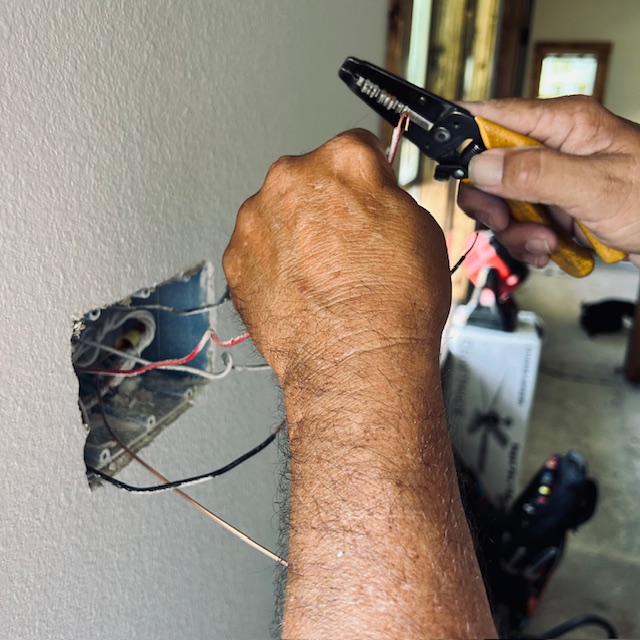
Older homes may contain wiring that has deteriorated over time or is not well suited to modern electrical demands. Aging insulation, improper modifications and damaged connections can create potential safety hazards.
Warning signs of possible wiring problems include:
- Frequently tripping breakers
- Flickering lights
- Discolored outlets
- Burning odors
- Two-prong outlets in older homes
- Evidence of deteriorating or damaged wiring
The presence of older wiring does not automatically mean a home needs complete rewiring. However, an evaluation can help determine its condition and whether repairs or upgrades are necessary.
When Should You Consider Rewiring?
Consider having your wiring inspected if you live in an older home, are planning a major renovation or experience recurring electrical issues.
Livewire Electric can help evaluate electrical concerns and recommend appropriate repairs or upgrades based on your home's needs.
7. Electrical Surges
An electrical surge is a brief increase in voltage that can damage electronics, appliances and other connected equipment.
Surges can occur because of lightning, utility switching or electrical problems involving appliances and wiring.
Common signs of repeated surges include:
- Electronics unexpectedly shutting off
- Damaged chargers or power adapters
- Appliances malfunctioning
- Lights briefly flashing
- Multiple devices experiencing problems around the same time
How Can You Prevent Electrical Surge Damage?
Unplugging sensitive electronics during severe storms may help reduce exposure to some surge events, although it is not always practical.
Whole-home surge protection provides another layer of protection by helping limit certain voltage surges entering your electrical system. Individual surge-protective power strips can offer additional protection for connected devices.
If you experience repeated surges, have an electrician investigate the cause rather than simply replacing damaged electronics.
8. Overloaded Electrical Circuits
Modern households use more electrical equipment than ever before. Computers, televisions, kitchen appliances, portable heaters and other devices can place considerable demands on existing circuits.
Signs of a potentially overloaded circuit include:
- Breakers that trip frequently
- Lights dimming when appliances operate
- Multiple high-power appliances sharing one circuit
- Reliance on extension cords and power strips
How to Address Overloaded Circuits
Avoid connecting too many high-power appliances to the same circuit. Follow manufacturers' instructions, and never use extension cords as a permanent substitute for properly installed outlets.

If you regularly run out of available outlets or experience recurring breaker trips, an electrician can evaluate your electrical load and determine whether additional circuits or an electrical panel upgrade may be appropriate.
9. High Electricity Bills
An unexpected increase in your electricity bill doesn't always indicate an electrical problem. Seasonal temperature changes, HVAC usage, new appliances and changes in household habits can all affect energy consumption.
However, inefficient lighting, malfunctioning equipment or electrical problems may contribute to unnecessary energy use.
How to Investigate Higher Energy Costs
Start by comparing your current electricity usage with previous bills. Look for seasonal changes, recently added appliances and equipment that runs more frequently than expected.
You can also consider energy-efficient lighting, appropriate appliance maintenance and programmable thermostat settings.
If the increase remains unexplained or occurs alongside flickering lights, unusual sounds or other electrical symptoms, contact an electrician for an evaluation.
10. Not Enough Outlets in Your Home
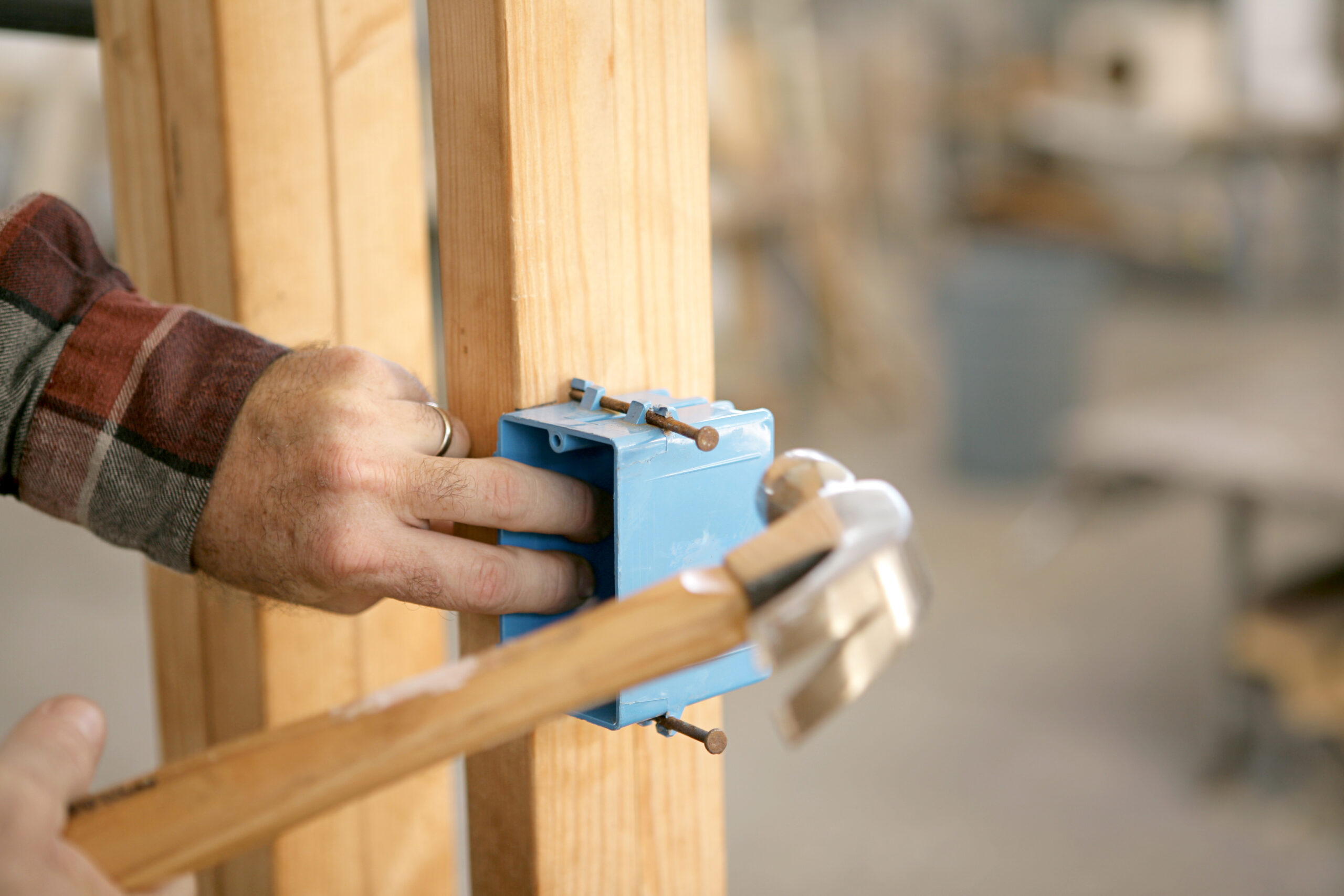
Older homes may not have enough outlets for today's electronics and appliances. As a result, homeowners sometimes rely heavily on extension cords and power strips.
Although these products can be useful when used properly, overloading them or using them as permanent wiring solutions can create safety risks.
How to Improve Electrical Access
Adding professionally installed outlets can make your home more convenient while helping reduce reliance on extension cords.
Depending on your needs, an electrician can install additional outlets, upgrade existing receptacles or add dedicated circuits for equipment that requires them.
You may also want to consider GFCI protection in locations where it is required, such as many kitchen, bathroom, garage and outdoor receptacles.
When Should You Call a Professional Electrician?
Some minor issues, such as replacing a light bulb, can be handled safely by a homeowner. However, electrical repairs involving wiring, electrical panels, damaged outlets or recurring circuit problems should be evaluated by a qualified professional.
Contact an electrician if you notice:
If you notice smoke, active sparking, a strong burning smell or signs of an electrical fire, prioritize your safety. Move away from the affected area, evacuate if necessary and call 911 if there is a fire or immediate danger. Do not touch damaged electrical equipment or approach a wet electrical panel.
How Regular Electrical Maintenance Can Help
Preventative maintenance can help identify developing electrical problems before they cause significant disruption.
Depending on your home's condition, an electrician may evaluate the electrical panel, inspect accessible wiring and connections, check outlets and switches and identify concerns involving circuit capacity or safety devices.
Regular evaluations are particularly useful for older homes, properties undergoing renovations and households adding major appliances or other electrical equipment.
If you are experiencing recurring electrical problems, professional troubleshooting can help identify the underlying cause rather than repeatedly addressing individual symptoms.
Why Choose Livewire Electric for Residential Electrical Repairs?
When electrical problems occur, you need a dependable team that understands the importance of safety and reliable workmanship.
Livewire Electric provides residential electrical services to help homeowners address electrical issues and maintain their systems. Whether you're dealing with a faulty outlet, an outdated electrical panel, lighting problems or wiring concerns, our team can help identify the issue and discuss the appropriate solution.
Our electrical services include residential electrical repairs, troubleshooting, electrical panel upgrades, lighting installation, new construction wiring and emergency electrical repairs.
Addressing problems promptly can help protect your property, reduce unexpected disruptions and keep your electrical system operating as intended.
Keep Your Home's Electrical System Safe
Understanding common electrical problems makes it easier to recognize warning signs and take appropriate action. From flickering lights and tripping breakers to damaged outlets and outdated wiring, electrical issues should never be ignored when they persist or present a safety concern.
If you notice unusual electrical behavior in your home, don't wait for the problem to become more serious.
Contact Livewire Electric to discuss your electrical repair needs and keep your home powered safely and reliably.
Frequently Asked Questions About Common Electrical Problems
The most common electrical problems include frequently tripping circuit breakers, flickering lights, dead outlets, buzzing switches, warm outlets, outdated wiring, electrical surges, overloaded circuits and insufficient outlets.