
Texas homeowners face severe weather year-round. Hurricanes hit the Gulf Coast. Ice storms strike up north. Power outages can last for days. In fact, Texas had 210 weather-related outages from 2000 to 2023, according to the Texas Tribune. That’s more than any other state. Many families now invest in home generator installation to keep the lights on. But choosing the right size is critical. An undersized unit won’t power your needs. An oversized unit wastes money and fuel. This guide explains home generator installation sizing so you can pick the perfect unit for your home.
Choosing the correct size for your home generator installation is vital. Here’s why:
Undersized generators cause problems:
Oversized generators waste resources:
A properly sized generator supplies reliable power without strain. It keeps your devices running safely during outages. It operates efficiently without waste. Home generator installation sizing is the foundation of a successful backup power system.
Follow these steps to determine the right size for your home generator installation:
Start by listing what you want to power during an outage:
Be realistic about your must-have items. For whole home generator installation, include nearly everything. For portable units, focus on critical circuits only.
Check each appliance’s wattage. Look at labels or manuals for this info.
Common running wattages:
Motor-driven appliances need extra power to start. Starting watts can be 2-3 times the running watts. For example:
If your generator can’t supply that surge, the appliance won’t start at all.
Calculate your total running load. Add the single largest starting surge on top. Then add a 20-30% safety buffer.
Why the buffer matters:
For example, if you need 15 kW, shop for an 18-20 kW unit.
Use this home generator size guide for comparison:
Small homes or essential circuits only:
Medium to large homes:
Large luxury homes:
Most homes need 10-30 kW capacity. When in doubt, consult a licensed electrician for accurate load calculations.
Your choice affects the home generator installation sizing you’ll need.
| Portable Generators | Standby Generators (Whole Home) |
|---|---|
|
Pros
|
How they work
|
|
Cons
|
Benefits
|
These smaller units power essential items only.
Capacity: 3,000-7,500 watts Cost: $500-$2,500 Fuel: Gasoline or propane
Pros:
Cons:
Best for short outages and partial home backup.
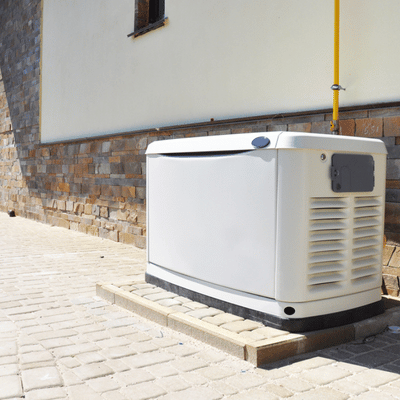
A whole home generator installation provides seamless backup power.
Capacity: 10-30+ kW Cost: $7,000-$15,000 installed Fuel: Natural gas or propane
How they work:
Benefits:
The investment brings convenience and peace of mind. For families working from home or with vulnerable members, standby generators are worth it.
Home generator installation must be done correctly for safety and reliability.
Don’t DIY this project. Standby generators need:
Improper installation risks equipment damage and safety hazards.
Expect to obtain permits for whole home generator installation. Requirements include:
Texas Senate Bill 1202 (effective Sept 1, 2025) requires faster permitting. The City of Alvin notes this helps homeowners get quicker approvals.
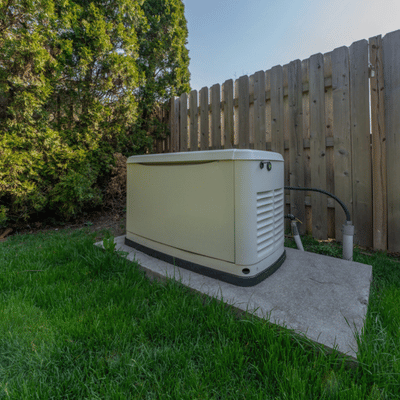
Your generator needs:
Professional installers handle site selection and preparation.
Texas Property Code §202.019 prevents HOAs from unreasonably blocking generator installation. They can’t forbid code-compliant units. Check your HOA’s aesthetic guidelines, but they must allow backup power systems.
Most 2,000 sq ft homes need 15-22 kW generators for whole-home backup. This covers central AC, appliances, and all circuits comfortably.
No. Standby generators require licensed electricians and plumbers for safe, code-compliant installation. DIY installation risks safety and may void warranties.
Professional whole home generator installation typically costs $7,000-$15,000 total. This includes the generator unit plus installation labor and permits.
Natural gas generators connect to your home’s gas line for unlimited fuel. Propane requires tank refills but works anywhere.
Standby generators on natural gas or propane can run indefinitely during outages. Portable units need refueling every 6-18 hours depending on load.
Yes. Most Texas cities require electrical and plumbing permits for standby generator installation. Your installer handles the permit process.
Power outages in Texas can disrupt your life during extreme weather. A properly sized home generator installation provides reliable backup power when you need it most. Calculate your home’s wattage needs carefully. Choose between portable and whole-home options based on your budget and requirements. Always work with licensed professionals for installation.
Don’t wait for the next blackout to take action. The right generator keeps your family safe and comfortable through any storm.
Ready to protect your home with reliable backup power? LiveWire Electric TX offers professional home generator installation services throughout Texas. From sizing consultations to turnkey installation, we handle everything. Contact us today for a free quote and stay powered during the next outage!
Weatherford
Mineral Wells
Aledo
Palo Pinto
North TX Surrounding Areas
Home Service
Electrical Panel Upgrades
Whole-Home Surge & Lightning Protection
Emergency Repairs
Generator Installation
New Construction
Home Inspection Repair
Residential
Commercial
Remodels
Landscape Lighting
Repair Of Code Violations
Security Lighting
And More
Livewire Electric LLC | 5121 Old Millsap Rd, Millsap, TX 76066
© 2026 Livewire Electric LLC. All rights reserved.