An electrical emergency can happen at any time, often without warning. Whether it's a burning smell coming from an outlet, sparks flying from an electrical panel or a sudden loss of power, knowing how to respond can make all the difference in protecting your property and the people inside it.
Electrical emergencies are not only inconvenient — they can be dangerous.
According to the National Fire Protection Association (NFPA), electrical failures and malfunctions are among the leading causes of home and commercial building fires. Taking the right steps during an emergency can help prevent injuries, reduce property damage and make sure the problem is resolved safely.
In this step-by-step guide, we'll explain what qualifies as an electrical emergency, what you should do when one occurs and when it's time to call a professional for emergency electrical repair services.
What Is an Electrical Emergency?
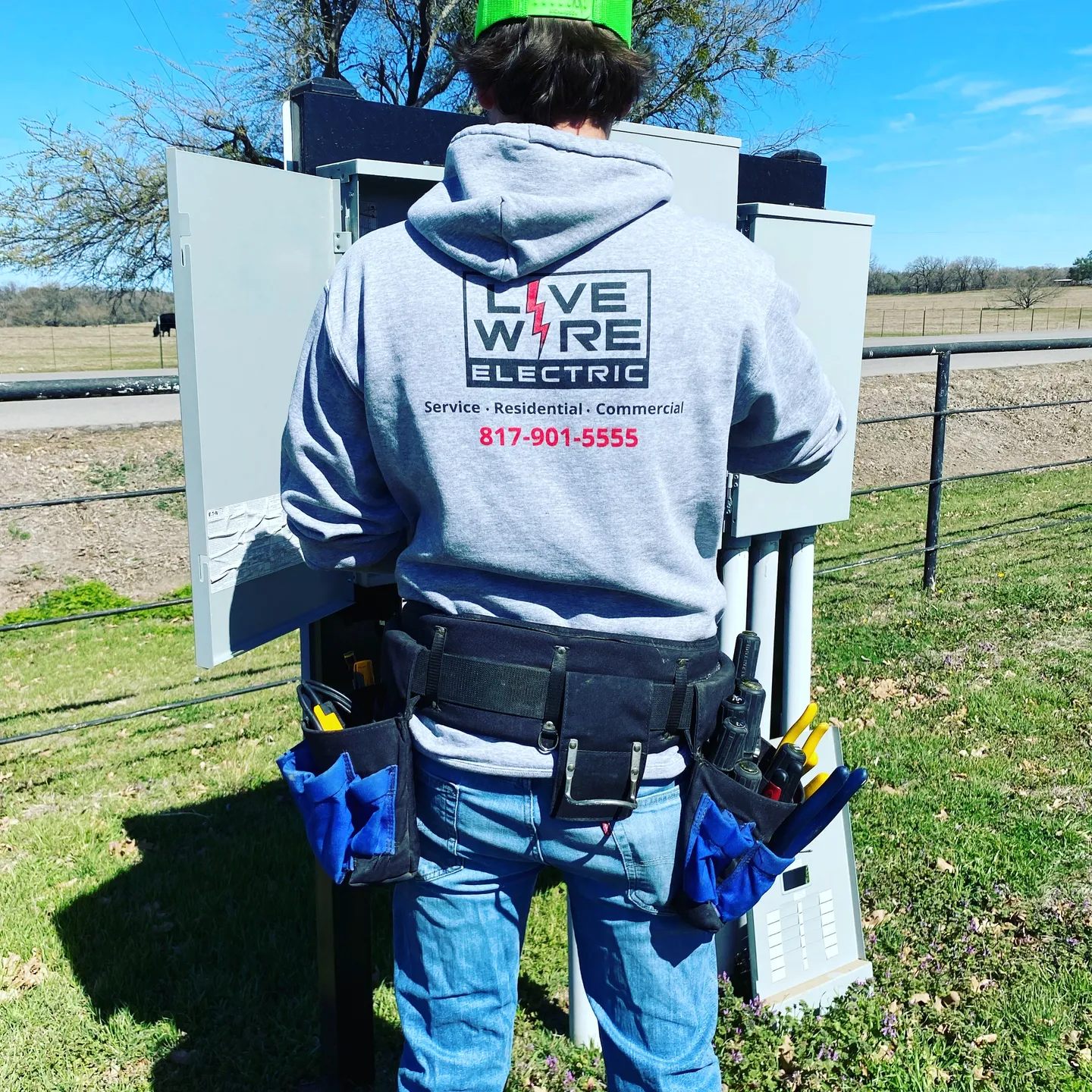
An electrical emergency is any electrical issue that poses an immediate risk to people, property or equipment. While some electrical problems can wait for a scheduled service appointment, others require immediate professional attention.
Common examples of electrical emergencies include:
- Burning smells coming from outlets, switches or panels
- Sparks or visible electrical arcing
- Smoke near electrical components
- Exposed or damaged wiring
- Frequent breaker trips that won't reset
- Sudden loss of power to part or all of a building
- Water exposure to electrical systems
- Overheated electrical panels or outlets
- Electrical shocks when touching switches or appliances
If you experience any of these situations, treat them as an electrical emergency and take action immediately.
A Step-by-Step Approach to Handling an Electrical Emergency
Step 1: Stay Calm and Assess the Situation
The first step during any electrical emergency is to remain calm. Panicking can lead to poor decisions and increase the risk of injury.
Ask yourself:
- Is there smoke or fire present?
- Is anyone in immediate danger?
- Is the issue isolated to one area or affecting the entire property?
- Are there exposed wires or visible sparks?
Understanding the severity of the situation will help determine your next steps.
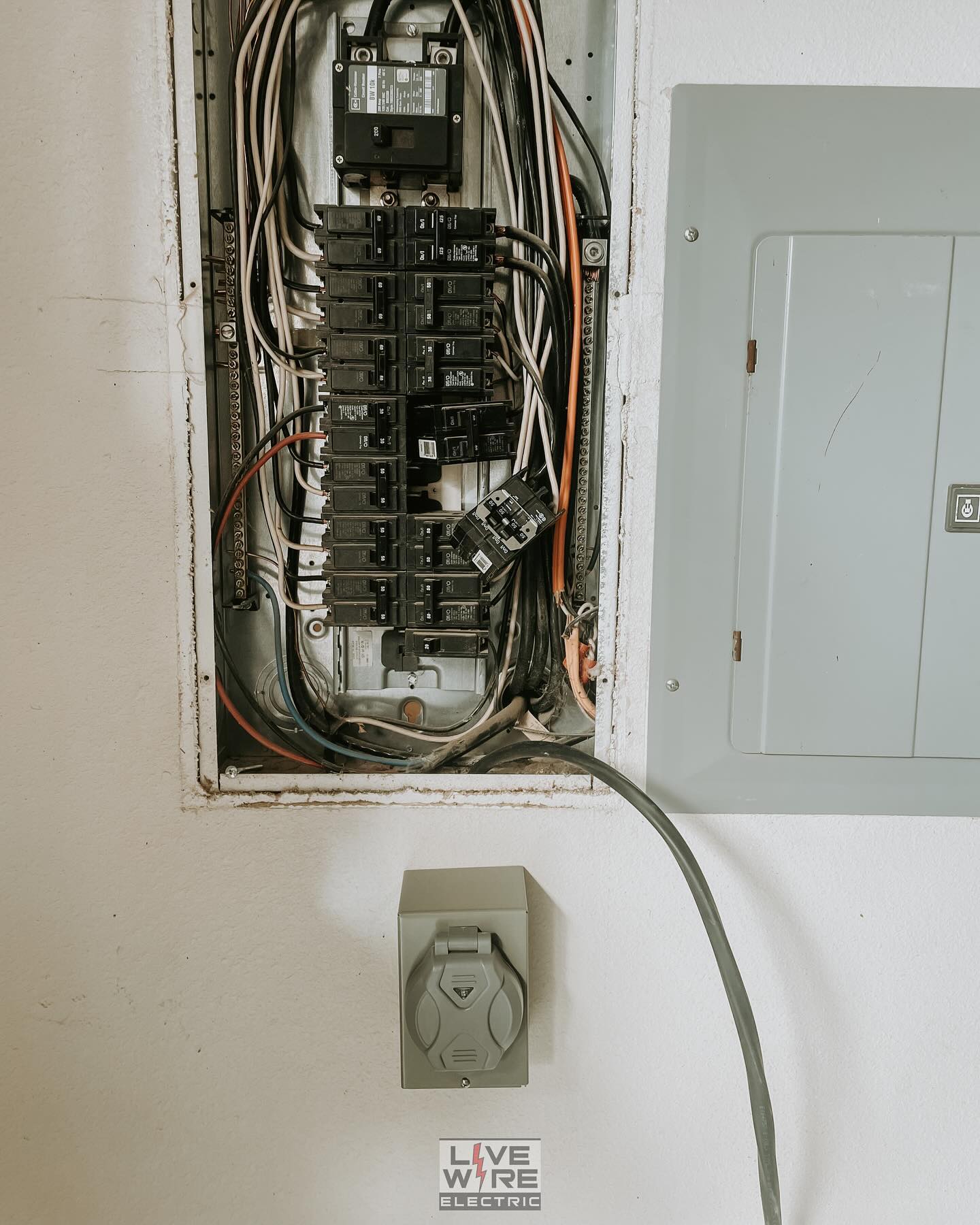
Step 2: Turn Off Power If It's Safe
If you can safely access your electrical panel, shutting off power may help prevent further damage.
When to Shut Off Power:
- You smell burning near an outlet or panel.
- You see sparks or smoke.
- Water has come into contact with electrical equipment.
- An appliance is malfunctioning and creating a hazard.
When NOT to Shut Off Power:
- The panel itself is smoking or sparking.
- Water is present near the electrical panel.
- Accessing the panel would put you at risk.
If you're unsure, do not attempt to shut off power. Instead, move to a safe location and contact a professional electrician.
Step 3: Keep Away from Damaged Electrical Components
One of the most important rules during an electrical emergency is to avoid touching anything that appears damaged.
Do not touch:
- Exposed wires
- Sparking outlets
- Burned electrical panels
- Wet electrical equipment
Even if the equipment appears inactive, it may still be energized and dangerous.
Step 4: Evacuate If Necessary
If there is smoke, fire or a strong burning odor, evacuate the building immediately.
Leave the area if:
- You see flames.
- Smoke is spreading.
- The smell of burning plastic or wiring is getting stronger.
- You suspect an electrical fire.
Once everyone is safe, call emergency services if a fire is present.
Remember: Never use water on an electrical fire.
Step 5: Unplug Equipment (Only If Safe)
If the issue is isolated to a specific appliance or piece of equipment and there is no immediate danger, unplugging it may prevent additional damage.
Examples include:
- A smoking appliance
- A sparking power strip
- Equipment causing repeated breaker trips
However, only do this if:
- The equipment is safe to access.
- There are no signs of fire or exposed wiring.
- You can unplug it without touching damaged components.
Step 6: Contact a Licensed Electrician Immediately
After making sure everyone is safe, the next step is to contact a professional electrician.
Many electrical emergencies involve hidden problems that require expert diagnosis. Temporary fixes often fail to address the root cause.
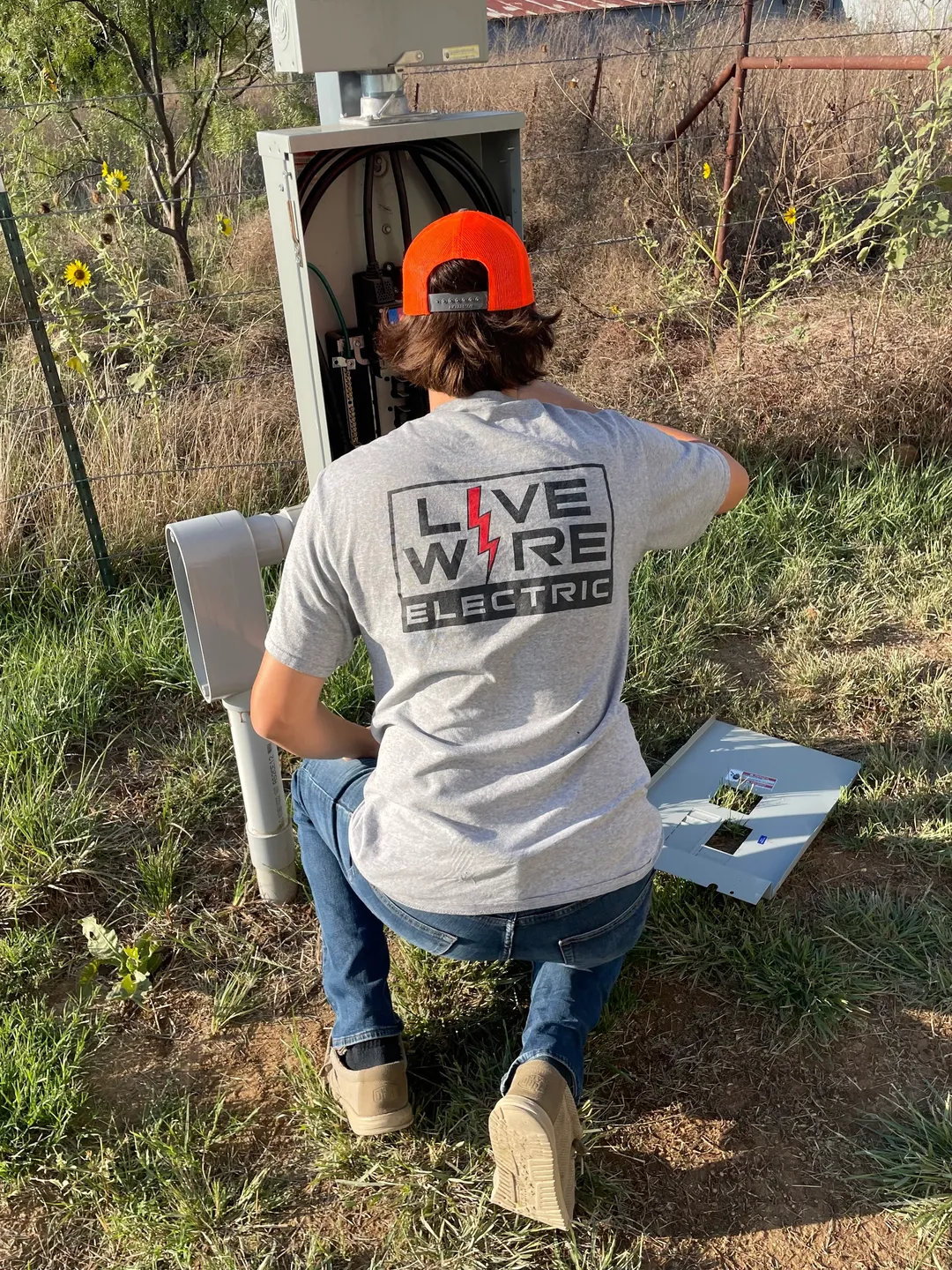
Livewire Electric provides professional emergency electrical repair services for both residential and commercial properties. Whether you're dealing with a failed panel, damaged wiring or a sudden power issue, our team can identify the problem and restore safety to your electrical system.
Step 7: Document the Problem
If it's safe to do so, document the issue before repairs begin.
Take photos of:
- Damaged outlets
- Burn marks
- Tripped breakers
- Electrical panels
- Any visible damage
Documentation can help:
- Speed up diagnosis
- Support insurance claims
- Provide a record of the incident
Never put yourself in danger to take photos.
Step 8: Avoid DIY Repairs
One of the biggest mistakes property owners make during an electrical emergency is attempting repairs themselves.
DIY electrical work can lead to:
- Electrical shock
- Fire hazards
- Additional system damage
- Code violations
Electrical systems are complex and dangerous. Always leave repairs to licensed professionals who have the proper tools and training.
Common Causes of Electrical Emergencies
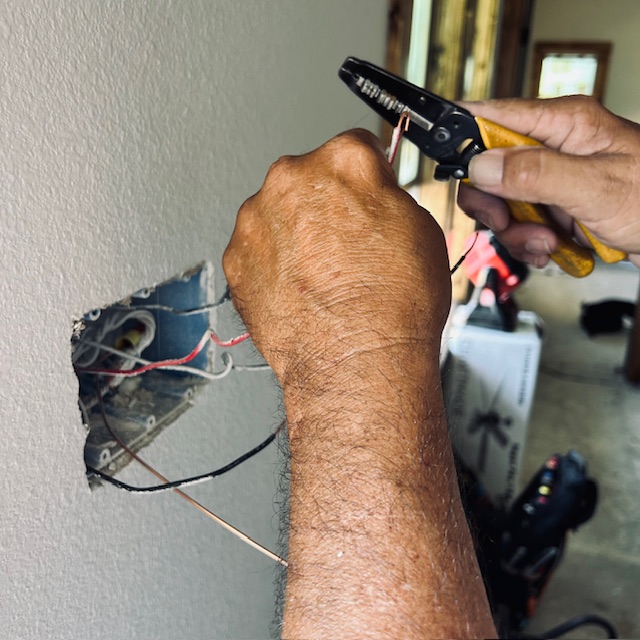
Understanding what causes electrical emergencies can help prevent them in the future.
Outdated Wiring
Older wiring systems may not be able to handle modern electrical demands. As wiring deteriorates, the risk of overheating and failure increases.
Overloaded Circuits
Plugging too many devices into a single circuit can cause excessive heat and breaker trips.
Faulty Electrical Panels
A damaged or outdated panel can struggle to distribute power safely throughout your property.
Water Damage
Flooding, leaks and storm damage can create dangerous electrical conditions.
Damaged Appliances
Faulty appliances can cause short circuits, surges and overheating.
Regular inspections and maintenance can help identify these issues before they become emergencies.
How to Prevent Future Electrical Emergencies
While not every emergency can be avoided, there are several steps you can take to reduce the risk.
Schedule Regular Electrical Inspections
Routine electrical inspections allow electricians to identify worn components before they fail.
Upgrade Older Electrical Systems
If your property has outdated wiring or an aging panel, upgrading your system can improve safety and performance.
Install Surge Protection
Whole-home surge protection helps safeguard your electrical system and connected devices.
Address Warning Signs Early
Don't ignore:
- Flickering lights
- Frequent breaker trips
- Warm outlets
- Buzzing sounds
These are often early indicators of a larger problem.
Work with Licensed Electricians
Professional installation and maintenance will help make sure your system remains safe and code-compliant.
Why Choose Livewire Electric for Emergency Electrical Repair Services?
When an electrical emergency occurs, you need a team you can trust.
At Livewire Electric, we provide:
- Residential emergency electrical repair services
- Commercial emergency electrical repair services
- Electrical troubleshooting and diagnostics
- Electrical panel repairs and upgrades
- Wiring repairs and replacements
- Safety inspections and preventative solutions
Our experienced electricians understand the urgency of electrical emergencies and work quickly to restore safety and reliability to your property.
Act Quickly If There’s an Electrical Emergency
An electrical emergency can be stressful, but knowing what steps to take can help protect your family, employees, customers and property.
Remember to:
- Stay calm.
- Turn off power if safe.
- Avoid damaged electrical components.
- Evacuate if necessary.
- Contact a professional for emergency electrical repair.
- Never attempt dangerous DIY repairs.
If you're experiencing an electrical emergency, don't wait. The sooner the issue is addressed, the safer your property will be.
Frequently Asked Questions
What qualifies as an electrical emergency?
An electrical emergency includes situations such as sparking outlets, burning smells, exposed wiring, power loss, electrical shocks or smoke coming from electrical components.