
Your electrical system plays an essential role in keeping your home or business safe, comfortable and operational. From powering lights and appliances to supporting HVAC systems, equipment and technology, your electrical system works every day. However, electrical components can wear down over time, even when everything appears to be working normally.
That is why scheduling a professional electrical inspection is an important part of maintaining your property. An inspection can identify potential problems before they become expensive repairs, safety hazards or unexpected electrical emergencies.
So, how often should you schedule an electrical inspection? The answer depends on the age of your property, the condition of your electrical system, recent renovations and how heavily the system is used.

In this guide, we'll explain when to schedule an inspection and what you can expect from the process.
What Is an Electrical Inspection?
An electrical inspection is a professional evaluation of your property's electrical system. A qualified electrician examines key components to identify signs of damage, wear, improper installation or potential safety concerns.
Depending on the property and reason for the inspection, an electrician may evaluate:
An inspection is not simply about finding something that is already broken. It is also about identifying potential problems before they develop into more serious issues.
How Often Should You Schedule an Electrical Inspection?
There isn't one inspection schedule that works for every property. However, having your electrical system professionally evaluated periodically can help identify problems early.
For many homeowners and businesses, an inspection every few years can be a useful preventative measure. You may need an inspection more frequently if your property has an older electrical system, heavy electrical demands or a history of recurring problems.
You should also schedule an electrical inspection when specific circumstances arise, such as purchasing a property, completing a major renovation or experiencing repeated electrical problems.
Let's look at some of the most important situations when an inspection makes sense.
When to Schedule an Electrical Inspection
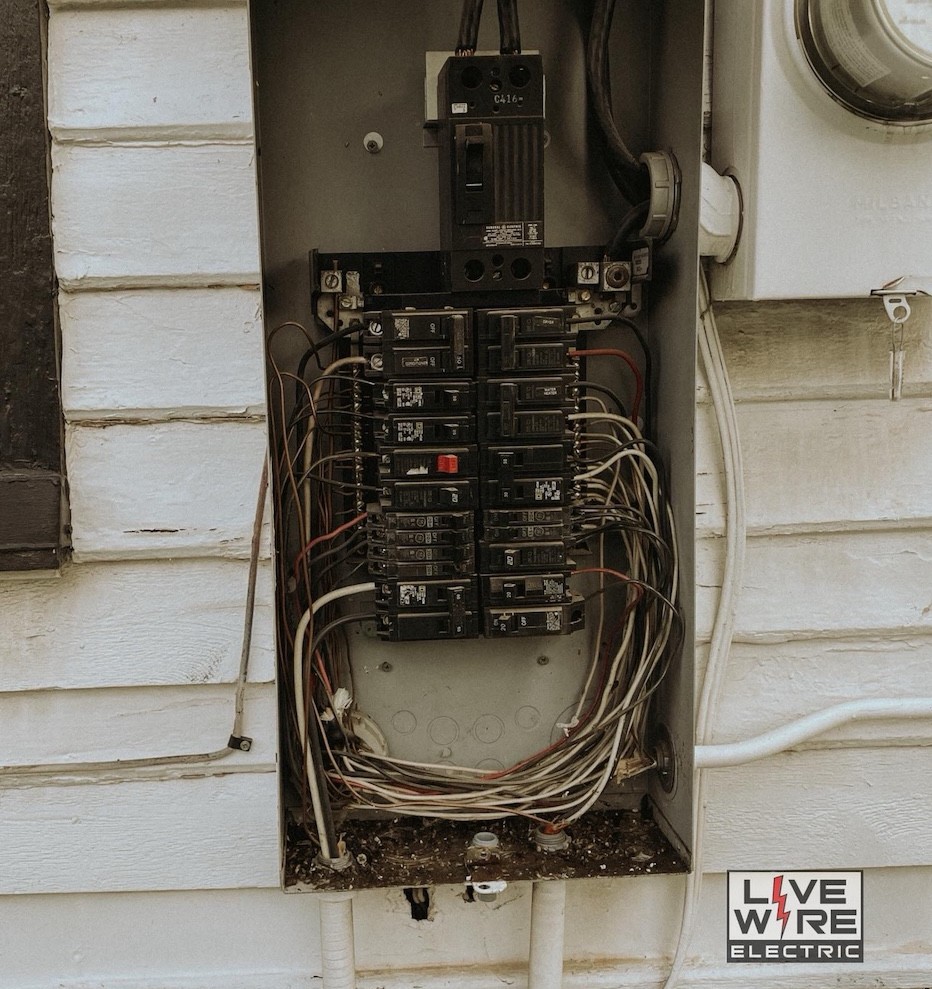
1. When Buying an Older Home
If you're purchasing an older home, an electrical inspection can provide valuable information about the condition of the electrical system.
Older properties may have:
- Outdated wiring
- Aging electrical panels
- Insufficient circuit capacity
- Older outlets and switches
- Improper modifications from previous work
A general home inspection may identify obvious electrical concerns, but a professional electrician can provide a more detailed evaluation of the electrical system.
Before purchasing an older property, an electrical inspection can help you understand whether electrical repairs or upgrades should be part of your plans.
2. When Your Home Has Frequent Electrical Problems
Frequent electrical issues are a clear reason to schedule an inspection.
If you regularly experience:
- Tripped circuit breakers
- Flickering or dimming lights
- Dead outlets
- Buzzing switches or outlets
- Burning odors
- Warm electrical components
- Unexpected power interruptions
there may be an underlying issue that needs professional attention.
Rather than repeatedly addressing individual problems, an electrical inspection can help identify the larger cause.
3. Before or During a Major Home Remodel
Planning a kitchen remodel, room addition, garage conversion or other major renovation?
This is an excellent time to have your electrical system evaluated.
Modern renovations often add electrical demand through new appliances, lighting, outlets, HVAC equipment or other technology. Your existing system may not have enough capacity to support those additions.
An electrical inspection can help determine whether you need:
- Additional circuits
- New outlets
- Electrical panel upgrades
- Updated wiring
- Improved electrical capacity
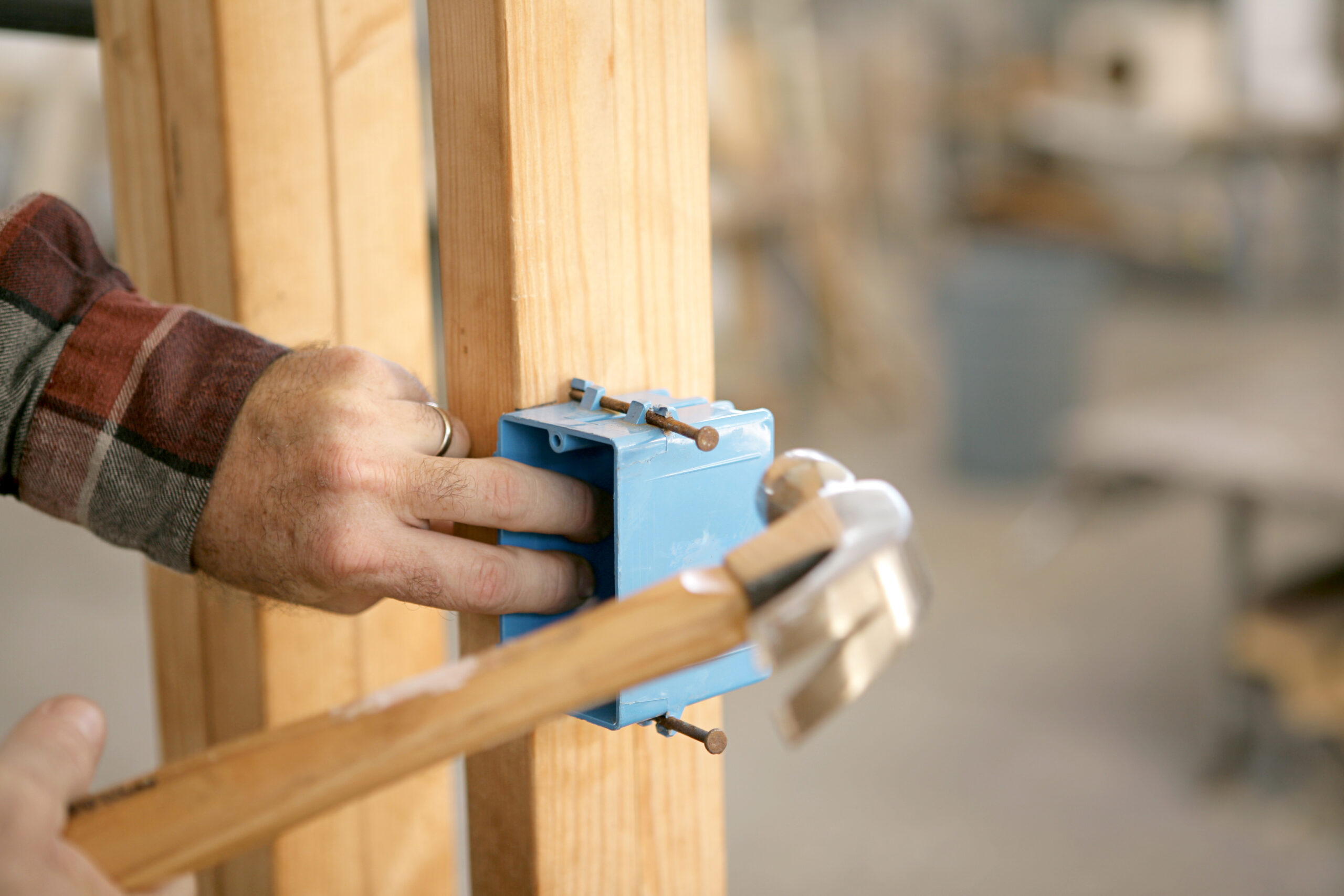
Livewire Electric can help homeowners plan electrical improvements as part of a remodeling project.
4. After Purchasing a Property
Even if you received a home inspection before purchasing your property, it can be beneficial to have an electrician evaluate the electrical system after you move in — especially if the property is older.
Knowing the condition of your electrical system gives you an opportunity to address problems before they become emergencies.
It can also help you prioritize future upgrades based on the condition and capacity of your current system.
5. Before Installing Major Electrical Equipment
Adding equipment that requires significant electrical power can change the demands placed on your system.
Examples include:
- HVAC equipment
- Electric appliances
- EV chargers
- Large shop equipment
- Generators
- New commercial equipment
Before installation, an electrical inspection can help determine whether your existing system can safely accommodate the additional load.
Planning ahead can help prevent overloaded circuits and unexpected electrical problems.
6. When Selling Your Home or Commercial Property
An electrical inspection can also be valuable before putting a property on the market.
Electrical problems discovered during a buyer's inspection can delay a sale or result in requests for repairs. Identifying problems beforehand gives you an opportunity to address them on your own timeline.
For commercial property owners, maintaining a safe and reliable electrical system is equally important when preparing a property for sale or lease.
7. After Major Electrical Repairs or Upgrades
If you've recently completed significant electrical work, a professional evaluation can help confirm that the system is operating properly.
This can be especially useful after:
- Electrical panel replacements
- Major rewiring
- New construction
- Significant remodels
- New electrical service installation
Professional electrical work should always be completed according to applicable codes and safety requirements.
8. If Your Electrical Panel Is Outdated

Your electrical panel distributes power throughout your property. If the panel is outdated, damaged or unable to handle your electrical demands, it may create safety and performance concerns.
An electrical inspection can help determine whether your panel is functioning properly or if it may be time for an upgrade.
You may want to have your panel inspected if:
- Breakers frequently trip
- Your panel shows visible damage
- You hear buzzing from the panel
- The panel feels unusually warm
- You are adding major electrical equipment
- Your property has an older electrical system
Livewire Electric can evaluate your electrical system and recommend appropriate repairs or upgrades.
Electrical Inspections for Businesses

An electrical inspection isn't just for homeowners. Businesses also rely heavily on safe and dependable electrical systems.
Commercial properties often have significantly greater electrical demands than residential properties. A business may depend on electrical systems for lighting, computers, HVAC equipment, machinery, refrigeration, security systems and other essential operations.
Regular electrical evaluations can help businesses identify:
- Overloaded circuits
- Aging electrical components
- Damaged wiring
- Lighting problems
- Panel issues
- Potential safety hazards
- Capacity concerns
Identifying these issues early can help reduce unexpected downtime and costly emergency repairs.
Livewire Electric provides commercial electrical services designed to help businesses maintain reliable electrical systems.
What Happens During an Electrical Inspection?
The exact inspection process depends on the property and its electrical system. However, a professional electrician will generally examine major electrical components and look for signs of damage, improper installation, wear and potential hazards.
The electrician may inspect:
Electrical Panel
The panel is checked for signs of overheating, damage, loose connections or capacity concerns.
Wiring
Wiring is evaluated for visible damage, deterioration, improper connections or other concerns.
Outlets and Switches
Electrical outlets and switches are checked for damage, improper installation or other potential safety issues.
Safety Devices
GFCI and AFCI protection may be evaluated to help make sure appropriate electrical safety measures are in place.
Grounding and Bonding
An electrician may check that the electrical system is grounded correctly to protect against shocks and surges.
Electrical Load
An electrician may evaluate whether your system has sufficient capacity for your current electrical needs.
After the inspection, your electrician can explain any concerns and recommend appropriate electrical repairs, maintenance or upgrades.
Don't Ignore Electrical Warning Signs
You don't have to wait for your next scheduled inspection if something seems wrong with your electrical system.
Contact a professional electrician if you notice:
Some of these warning signs can indicate serious electrical problems. If you notice smoke, fire or significant sparking, treat the situation as an electrical emergency and seek professional assistance immediately.
The Benefits of Regular Electrical Inspections
Scheduling an electrical inspection can provide several important benefits for your property.
Improve Safety
Inspections can identify potential hazards before they result in an electrical shock, fire or other dangerous situation.
Protect Your Property
Electrical problems can damage appliances, electronics, equipment and more. Identifying issues early can help reduce those risks.
Prevent Costly Repairs
Finding problems early can help prevent minor electrical issues from becoming major repairs.
Improve System Reliability
A properly maintained electrical system is less likely to experience unexpected failures.
Why Choose Livewire Electric?
When you need an electrical inspection, choosing an experienced electrical contractor is important.
Livewire Electric provides residential and commercial electrical services focused on safety, reliability and quality workmanship.
Our services include:
- Residential electrical services
- Commercial electrical services
- New construction electrical services
- Emergency electrical repairs
Whether you're maintaining an existing property or planning a new project, our team can help you understand your electrical needs and determine the right solution.

Keep Your Electrical System Safe and Reliable
Your electrical system may work quietly in the background, but it deserves regular attention. An electrical inspection can help identify problems before they lead to costly repairs, unexpected outages or serious safety hazards.
If you haven't had your electrical system professionally evaluated in several years — or if you've noticed warning signs — now may be the right time to schedule an inspection.
Livewire Electric is ready to help you maintain a safe, dependable electrical system.
Contact our team today to discuss your electrical inspection or other electrical service needs.
Frequently Asked Questions
The ideal frequency depends on the property's age, electrical system, usage and condition. Many property owners benefit from periodic inspections every few years, while older or high-demand properties may require more frequent evaluations.